
Water security
Keeping water in the landscape – and within communities.
Across the Northern Western Ghats, intense monsoon rainfall can coexist with severe water scarcity just months later. Water runs off rapidly through degraded catchments, while limited groundwater recharge and fragile water systems leave communities vulnerable through the dry season.
Raah works to change this cycle – helping villages slow, store, recharge, share and sustain water across seasons, while strengthening the landscapes and livelihoods that depend on it.
The Problem >
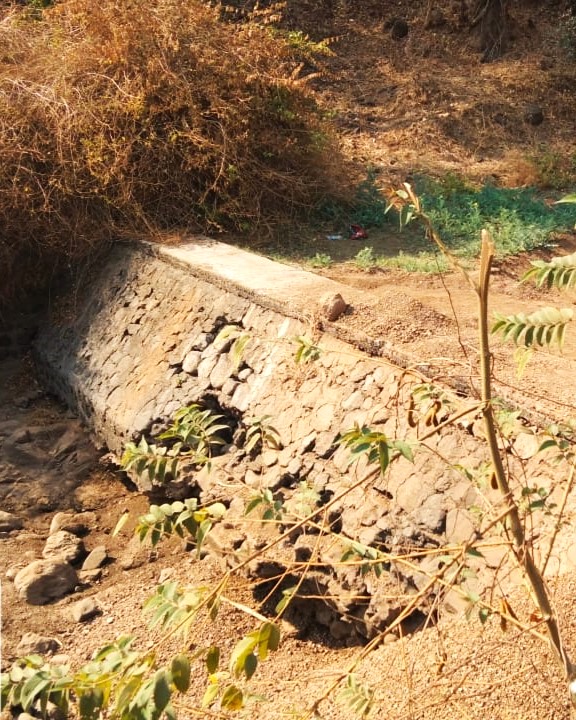
In the Western Ghats, seasonal water poverty can emerge even in rain-rich geographies, shaped by fractured geology and low groundwater percolation, alongside long gaps in climate-resilient infrastructure planning. Women and children often walk 3–5 km daily for water, locking communities into cycles of unpaid labour.
< Our Solution
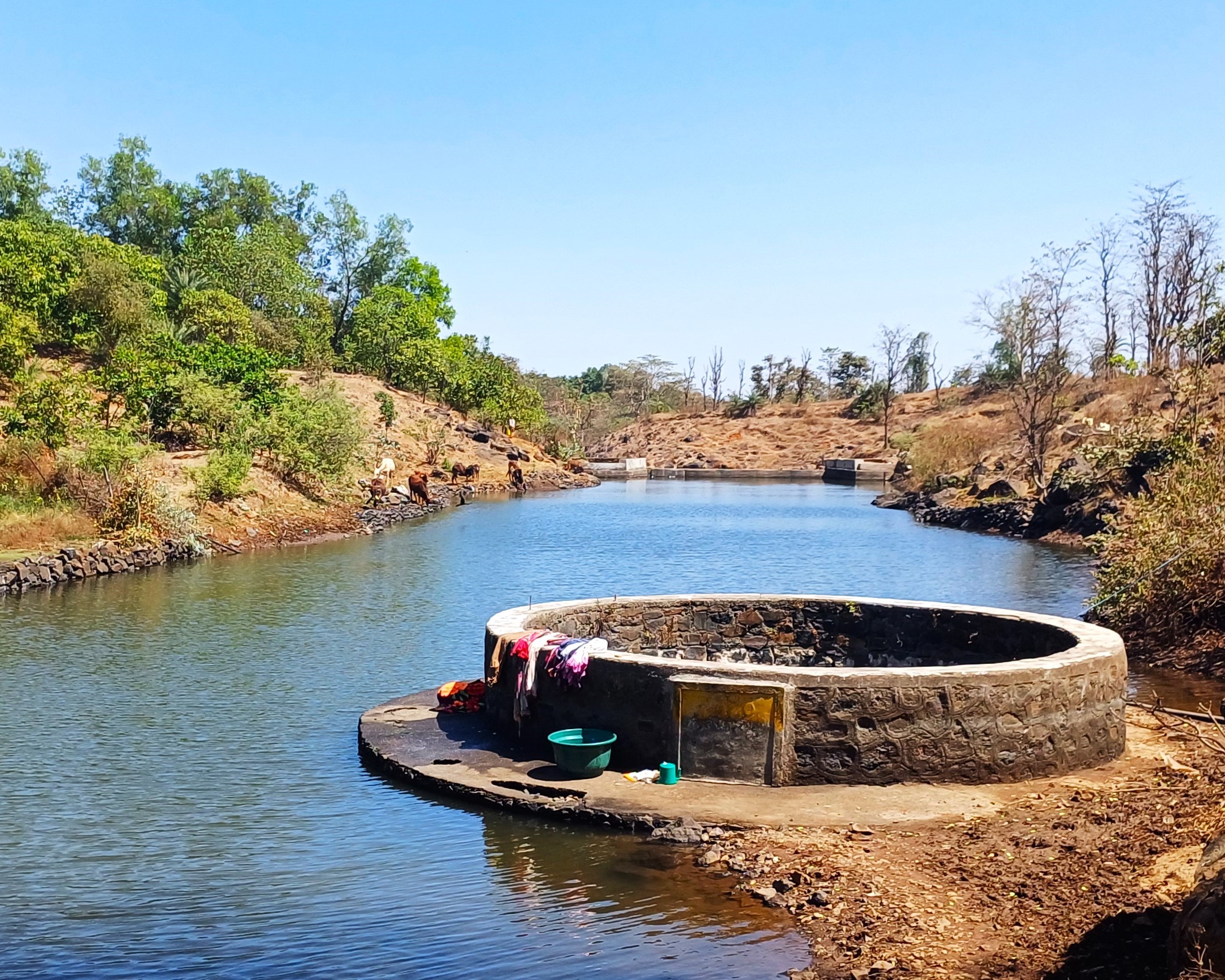
We apply a hydrogeology-first approach and design decentralised water systems – open wells, recharge pits, contour trenches – based on village-level aquifer mapping. Communities build infrastructure through local labour, and inclusive Water Governance Committees steward these assets over time to
Active Projects
Putting water security into practice.
From rejuvenating existing water bodies to restoring watersheds and securing moisture for ecological restoration, our projects demonstrate how locally designed interventions can help landscapes retain water and communities build resilience.
Parner Water Body Rejuvenation, Ahilyanagar
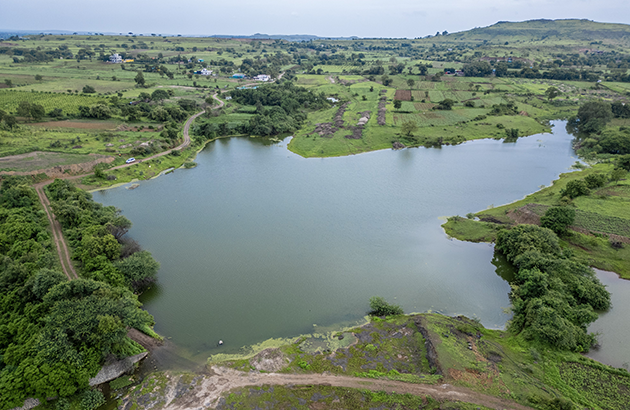
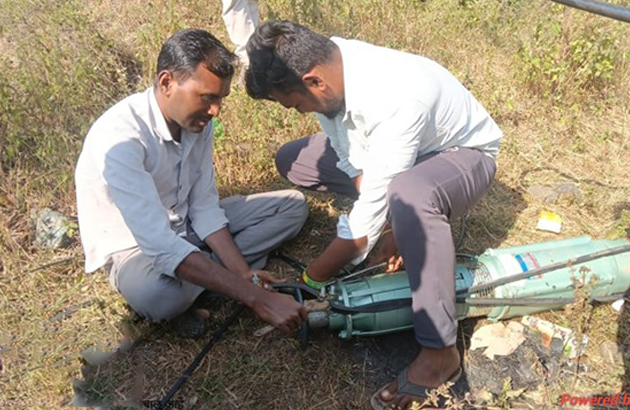
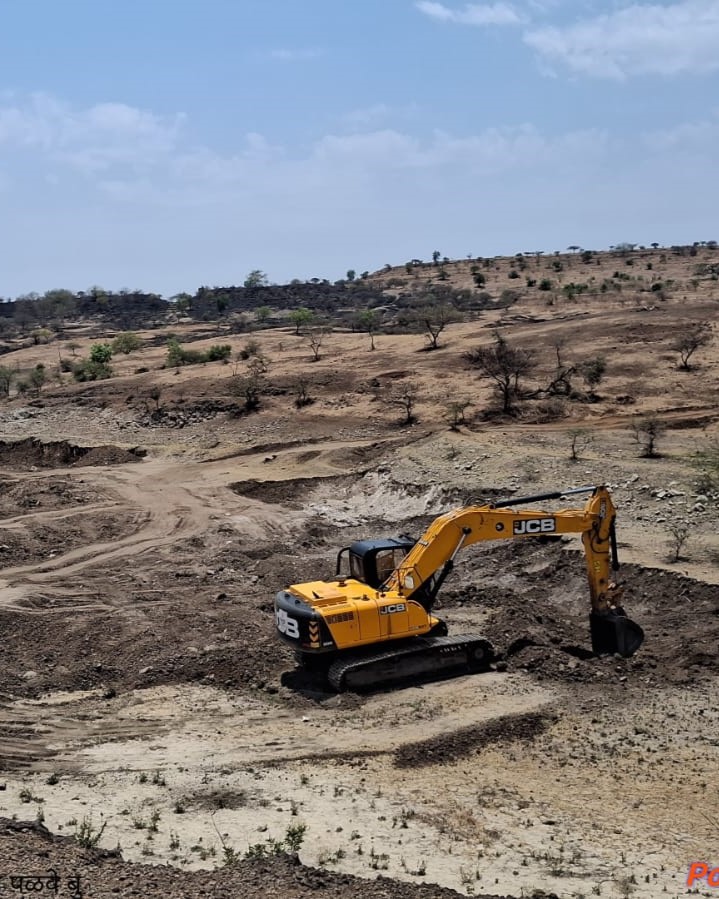
Between March and June 2025, Raah partnered with six Gram Panchayats in Parner block to rejuvenate nine long-standing water bodies, creating an estimated 380 million litres of additional local water-storage capacity.
The intervention strengthens water availability for drinking, irrigation and livestock for 129 farmers and their families, while improving groundwater recharge and soil moisture. By restoring existing water systems rather than relying only on new infrastructure, the project is helping the landscape retain water for longer and strengthening its capacity to withstand dry periods.
Irrigation for ReGreen Plantations, Nashik
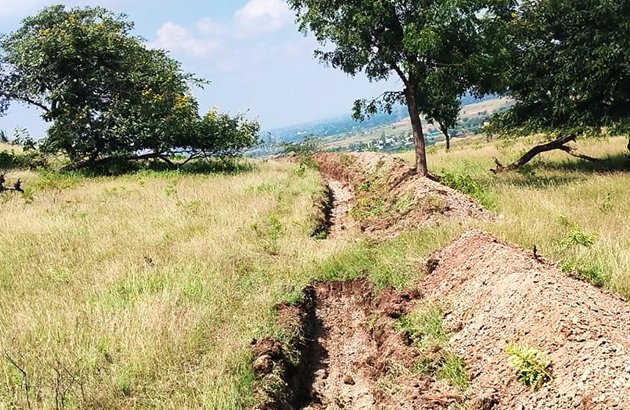
Across 31 villages in Deola, Dindori, and Trimbakeshwar blocks of Nashik district, we are implementing soil-moisture conservation works and irrigation systems to anchor our plantations. Structures such as check dams, farm ponds, and micro-irrigation help saplings survive harsh summers and grow into robust native forests. By securing moisture through the toughest months, these interventions sustain plantation survival, enable groundwater recharge, support carbon sequestration, and reinforce nature-based livelihoods connected to healthier watersheds.
Discover how our Palghar Water Project comes to life on the ground
What We Do
Raah works to secure water across seasons by helping villages slow, store, recharge, share and sustain water – through solutions that strengthen households and livelihoods while regenerating the landscape.
Our work brings together water infrastructure, watershed restoration, soil and moisture conservation, groundwater recharge and community-led water governance, because lasting water security depends on the health of the entire landscape.
< Where
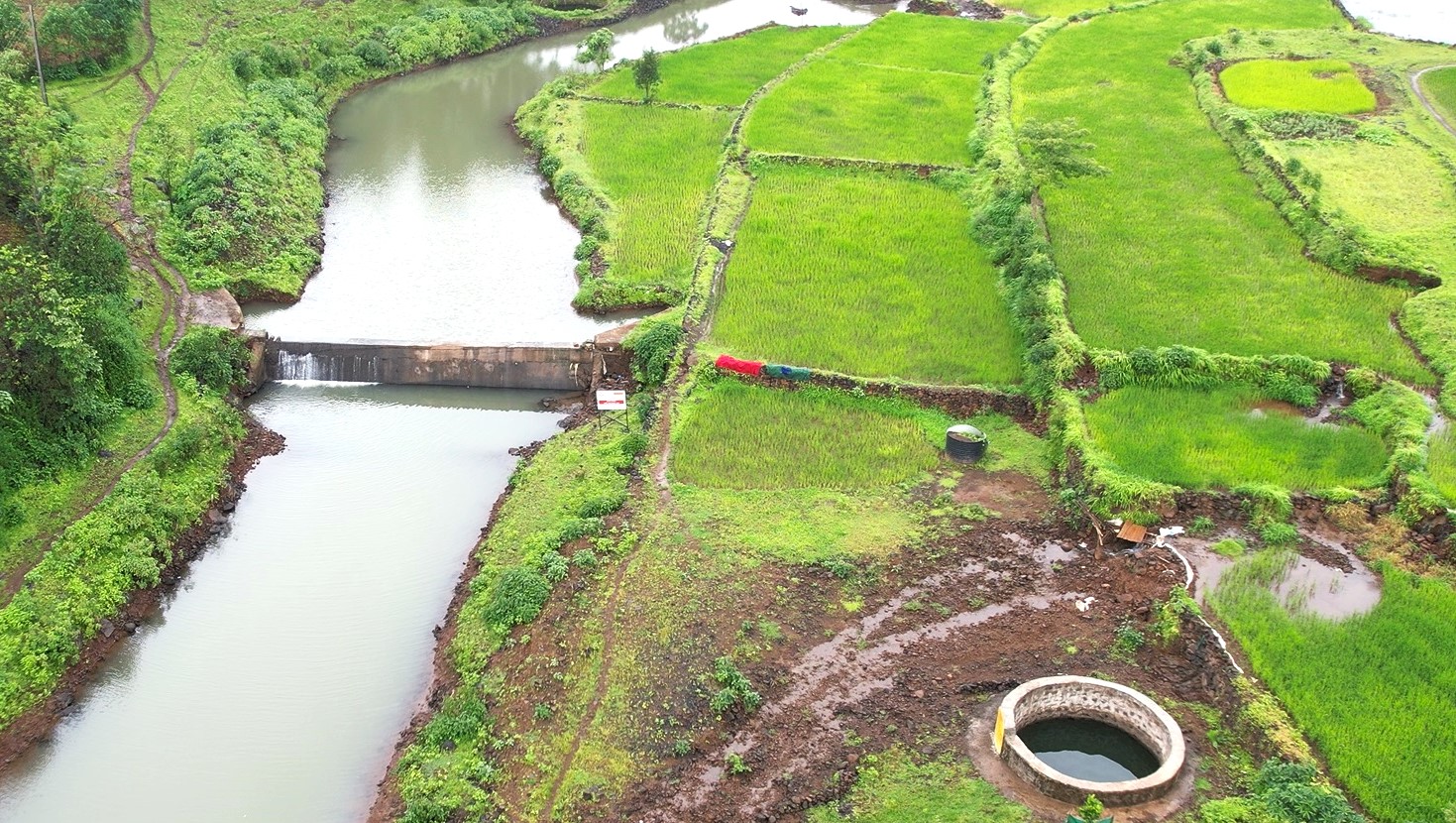
We work in landscapes where water insecurity places the greatest burden on households, women and smallholder farmers – particularly villages where intense monsoon rainfall is followed by long dry periods. Our priority is not simply to increase water availability at a single point, but to restore the systems that help a landscape capture, store and recharge water. By strengthening local watersheds and recharge systems, interventions can create benefits that extend from individual households and farms to the wider landscape.
How >
Partners
“Water security at scale requires collaboration. We work with communities, Gram Panchayats, government institutions,
technical partners and philanthropic organizations to build solutions that last.”















































Problem

Solution
Gallery


