
Raah Foundation’s Women-led One Acre Forest Food Program (1AFF) is an agroecology-first, women-centered model designed for the Western Ghats—an ecologically critical landscape that supports agriculture and water systems for hundreds of millions of people and holds globally significant biodiversity.
The program responds to accelerating degradation and a “paradox of plenty,” where heavy monsoon rainfall can still translate into acute summer water scarcity. In this context, rainfed monocropping, soil erosion on slopes, weak market access, and nutrition insecurity can create a reinforcing cycle of low resilience and low income—especially for women, who often do much of the farm labor without equivalent control over resources or decisions.
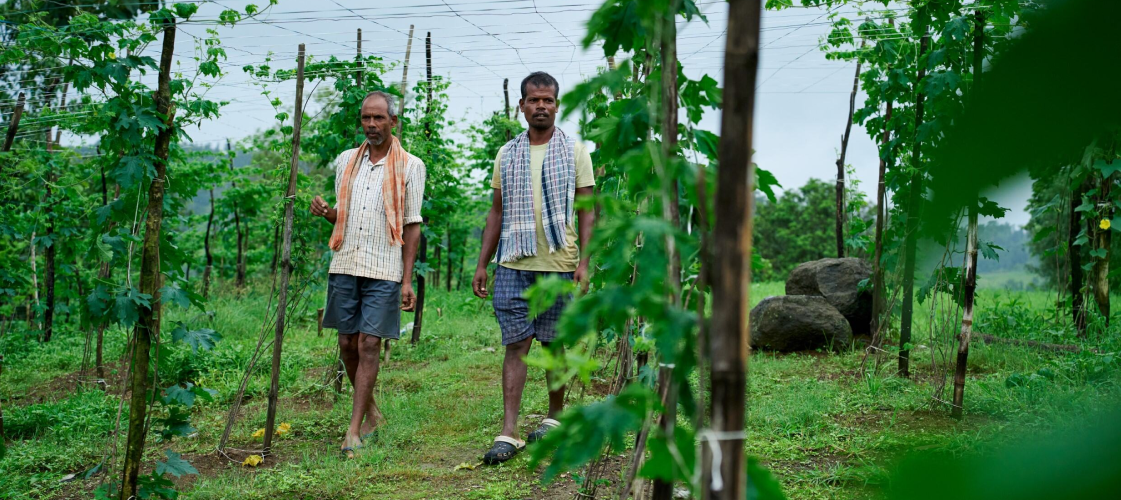
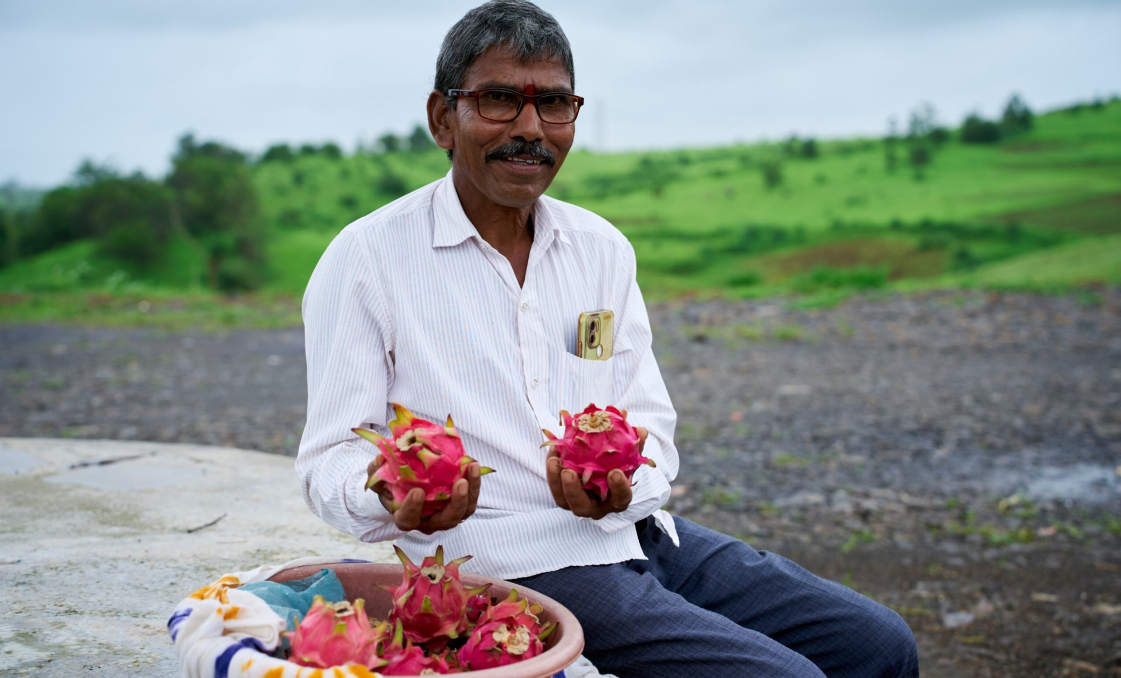
At the core of 1AFF is a practical transformation: one acre on a woman farmer’s land becomes a diversified “food forest” that produces food and income while restoring soil, water, and biodiversity.
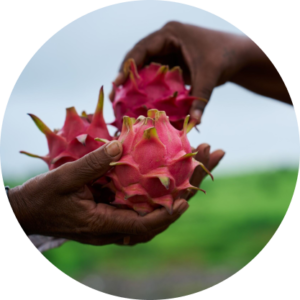
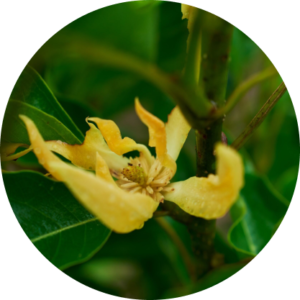
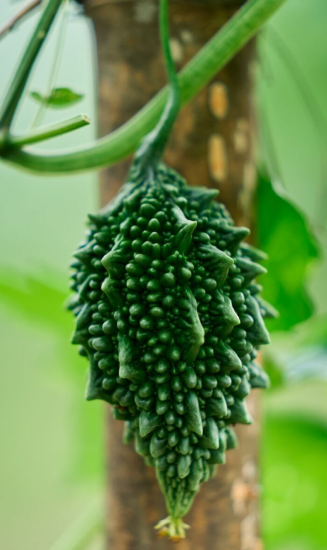
The acre is designed as a layered, intercropped system integrating fruit trees, vegetables, millets, timber species, medicinal plants, nitrogen-fixing crops, and native grasses so harvests are spread across seasons and risk is reduced. Because farms span flat land to steep slopes, the approach uses contour-based layout and upland–midland–lowland zoning to curb erosion, improve infiltration, and strengthen water retention. To link regeneration with household wellbeing, 1AFF also includes a “Nutrition Patch” (about 10% of the acre) to improve dietary diversity and address malnutrition and anaemia.
A standardized land prep of slope aware contour design + diverse crop-tree mix + nutrition patch
To make nutrition and finances easily accessible to women through climate change
To make nutrition and finances easily accessible to women through climate change
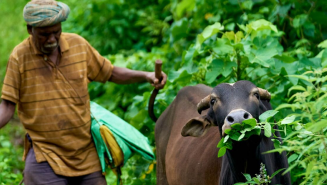
Implementation is women-led, skill-based, and locally supported. 1AFF builds women’s prosperity through stronger decision-making power, technical knowledge, financial literacy, leadership, collective power, and pathways for value addition and better markets. Delivery is reinforced through local women cadres (such as Krishi Sakhi and aligned nutrition facilitators) who provide field guidance, monitoring, and household nutrition advisory—turning training into consistent practice. The program also strengthens women’s institutions to scale gains: Self-Help Groups link into Farmers’ Interest Groups and district federations that can aggregate inputs, enable processing/packaging, and negotiate market linkages. Technology supports quality and learning through tools like soil probes/sensors, mobile-based monitoring, satellite/drone observation, weather and microclimate devices, and solar drying/processing for value addition.
1AFF is built to scale through partnerships and proof: Raah Foundation anchors design, delivery, and monitoring, while philanthropic, research, government, and market partners help expand reach and adoption. Measurement spans empowerment, ecology, and nutrition, using baseline–endline surveys, participatory assessment, and lightweight digital tracking to make outcomes visible and improve implementation over time.
This year, something beautiful took root in Nimon block of Nashik district, Maharashtra.
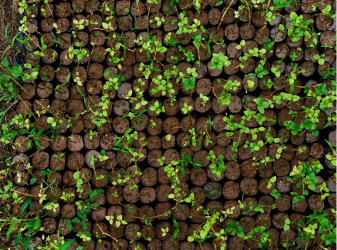
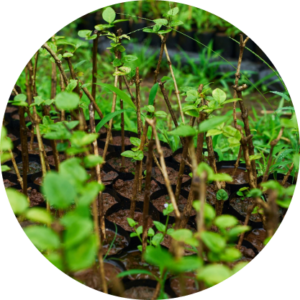
As we signed MOU with MHADA to plant 15,000 saplings across Nimon and Daregaon, we hold a promise to heal the land, to bring back green and to leave behind shade for the next generation.
Grateful to every hand that dug, every heart that believed.
Thank you MHADA for being a solid support in this journey!
Raah Foundation’s Centre for Policy Research and Action is a civil-society think tank rooted in the Northern Western Ghats, translating community knowledge into actionable, just policy. It is developing a bi-monthly series of thematic/position papers and has already produced two significant research outputs, including a journal publication and a youth survey-led study. The Centre also convenes curated webinars to share insights, shape discourse, and strengthen cross-sector relationships. Looking ahead, it will engage more directly with government systems—offering research-backed inputs, co-designing pilots, and participating in consultative forums to inform regional public policy.
The GRT Research Fellowship is an 8-week, immersive programme that places young researchers at the intersection of climate, gender, and indigenous knowledge. Its first edition focuses on the lived experiences of indigenous women in the Northern Western Ghats, combining academic inquiry with community-centred engagement. Fellows move through three phases—orientation on ethical methods, a literature review, and fieldwork with interviews—culminating in analysis and a comprehensive report. The inaugural cohort features four women from the social and natural sciences, building a pipeline of researchers trained in both rigour and field sensitivity.
Across rural India, climate change is no longer an abstract risk; it is felt as constant disruption – erratic rainfall, rising heat, and ecosystems pushed beyond their limits. In the Northern Western Ghats, this disruption shows up as a paradox: villages receive intense monsoon rainfall, yet face acute water scarcity within months.Basalt rock formations restrict groundwater recharge, while deforestation and soil erosion accelerate runoff. Water moves quickly off the landscape instead of being stored within it.
Raah Foundation exists to make this complexity actionable. Our work is grounded in the understanding that water scarcity, fragile livelihoods, and ecological degradation are deeply interconnected – and that single-issue interventions often fail because they treat symptoms, not systems.
We therefore work through a simple systems lens: help landscapes retain water, make farming less risky and more rewarding, reduce pressure on forests, and strengthen local institutions so solutions endure beyond projects.