Women Power for Empowering Women
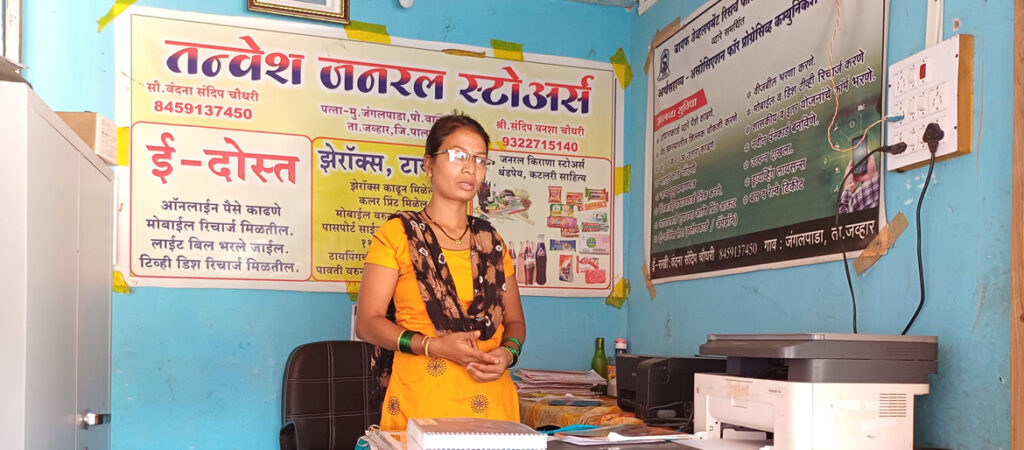
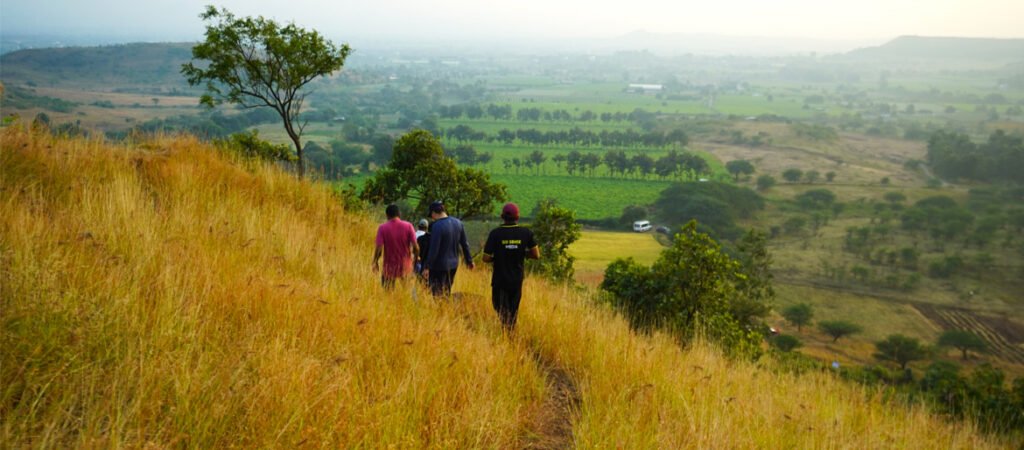
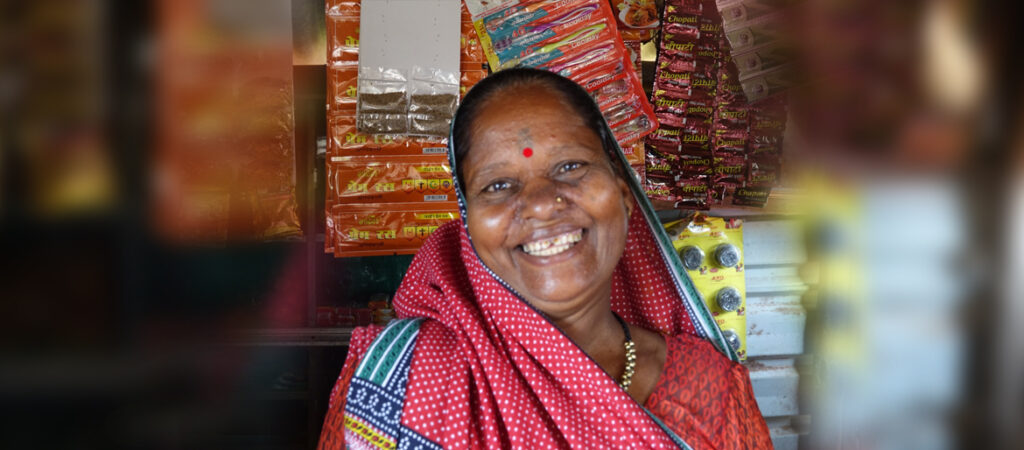
We at Raah Foundation believe that Women empowerment is a misnomer – woman is extremely empowered and strong irrespective of where she is from?– fighting all odds since birth, going against the tide through life yet becoming the backbone of her family and preserving the cultural fabric of the society. All we hence do is make her aware of her inner hidden skills and talents, hone them through niche capacity building, provide her with opportunities to use them economically, socially and politically and finally provide her with a position of respect and dignity in different committees we form for sustainable development. When we started working in the tribal indigenous areas our hearts sank at seeing the women there. Beautiful, extremely charming, passionate, ever smiling while going through some serious hardships in life. Severe water scarcity kept her constantly walking with heavy pots of water on head creating long term repercussions on her health. She was forced to ignore her children as water was the basic elixir of life and everything else could wait. Bereft of any local opportunities or skills, her husband was forced to migrate to work as an unskilled labour to urban markets leaving her alone to handle multiple responsibilities. We clearly had to do something. We soon started working in these areas with a vengeance with a vision of creating a better, healthier and happier world for the indigenous communities. The first task we undertook was understanding the root cause by delayering the intertwined social problems. The root cause clearly that emerged was severe water scarcity. Ironically in spite of being the highest rainfall areas of Maharashtra. We had to fix water problem on an absolute priority. We launched program Malhar that has the objective of creating water secure & positive villages. We work on augmenting the water availability by creating rain water harvesting structures which provide year round water. While regulating the demand through water usage frameworks. We were stunned when through a research we found that this has the potential to free over 1200 hours annually for the women. Now with water (drinking and for hygiene) was available in her own village she was saving time to walk for hours for water. The biggest uptake of this was it gave her more control on her own life. When we asked them what she wants to do with this time ? Half of them said they just want to rest as they are tired walking for hours with heavy pots of water on head. Some decided to use the time to earn an additional income while some others chose to spend better quality time with their children. Sarlatai from Umbervangan even joked saying that her body was so used this chore that for the first few months she might just have to go and spend the day near the water source as since the time she remembers – she was only done that in life. Our water program is bottom up and involves the community for water demand management. We saw this as a great opportunity to involve women at the community level as water guardians. We conceptualised and implemented a gender neutral water management committee. Women initially were hesitant but they soon opened and realised that they need to exercise their power – over water, and over how the village uses water and importantly creating frameworks to ensure water sustainability for their children. Once they realised that they have a voice and can talk and people listen, once they realised that they can decide and people follow, they felt super empowered and started participating in other social, political and economic decision making at community, village and block levels. Ranjana tai from Balkapra started her public foray with our Malhar or water management committee and is now Upsarpanch of her village. When I talk to her I feel so elated that our ecofeminism approach has not only helped bring sustainability but importantly brought women to the fore and now they are taking development in their own hands. In my first meeting with Ranjana, she was a shy young woman with 4 children hiding behind her and she was refusing to look into my eyes while talking to me. When I went to her village after couple of months I noticed a difference – she was still shy but had the courage of looking into my eyes while communicating. The moment I saw those beautiful big black eyes, I felt humbled. She had found her self-worth and had improved self- esteem.Once we solved the water problem and village had abundant water – women had time and men who were mostly small and marginal farmers too could look at year round agriculture opportunities instead of migrating. We launched Program Urja to support women start micro enterprises. Women as you would all know are of different types – some are born leaders while others are followers, some like to work independently while some others like to work in the comfort of a group. We decided to address all of these categories of women by creating sub programs for individual women as well as group businesses. We scan the village for gaps and create sustainable opportunities from starting a grocery shop to a blacksmith business, a flour mill to a tailoring shop. We then identify a woman who wants to use this opportunity to uplift her life. Our art and product based group businesses like quilting, grass weaving, textile and plastic waste upcycling has and would involve over 1000 women going forward. Grass weaving is done by sitting in one place and this provided us with an opportunity to physically differently abled girls. Manisha Bhoye, Vanita Malkari and Champa Burange are part of our first cohort who are earning a decent income and this is helping them accept life as it is with more elan. We curate and create opportunities and She has the freedom to choose what she wants. We talk to her and encourage her to listen to
Women Power for Empowering Women Read More »