PALGHAR WATER PROJECT
Raah Foundation’s water security work in the interiors of Palghar, Maharashtra focuses on the tribal and hilly talukas of Jawhar and Mokhada, where water scarcity is shaped by a sharp seasonal mismatch: Palghar receives roughly 2,000–3,000 mm of rainfall annually, yet many hamlets still struggle for drinking water in the dry months.
A local tension makes this more visible—major reservoirs in the region (including Tansa, Bhatsa, Upper/Middle/Lower Vaitarna, Tulsi, and Vihar) supply Mumbai and its suburbs, while people living in the same landscape report chronic shortages.
Recent reporting also describes recurring summer tanker dependence in Palghar’s remote tribal areas, particularly around Mokhada and Jawhar, as groundwater sources weaken.
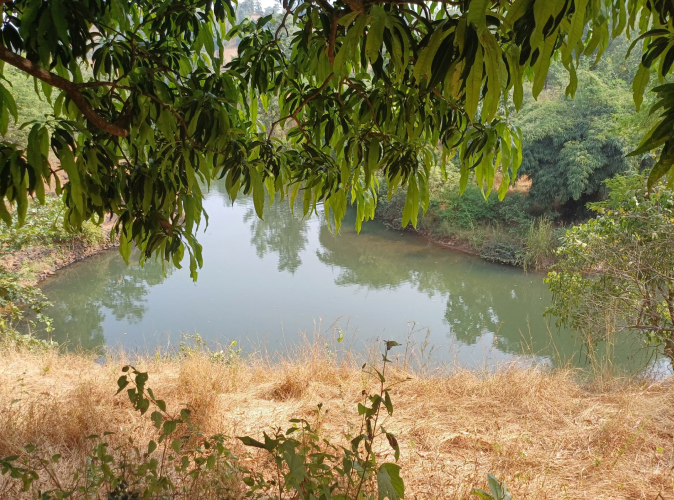
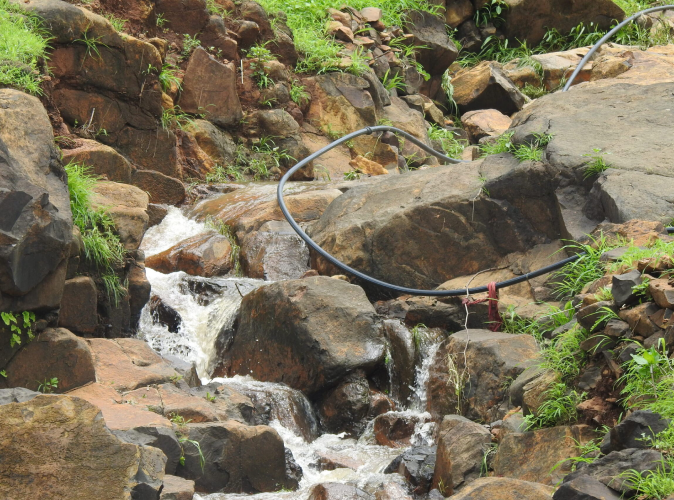
The program begins with a clear, place-based logic: measure the local water situation, then design interventions that keep more monsoon water in the landscape. Intense rains on slopes can turn into fast runoff, carrying soil away and leaving limited recharge for wells and springs.
Groundwater levels also fluctuate sharply between pre- and post-monsoon periods, which makes reliable dry-season access difficult without deliberate recharge. The goal is to shift the system from “rainfall wasted as runoff” to “rainfall converted into infiltration, storage, and dependable supply.”
1.5 Bn
Litres of Water
Conserved
500 Mn+
Groundwater
Harvested
120+
Water Positive
Villages
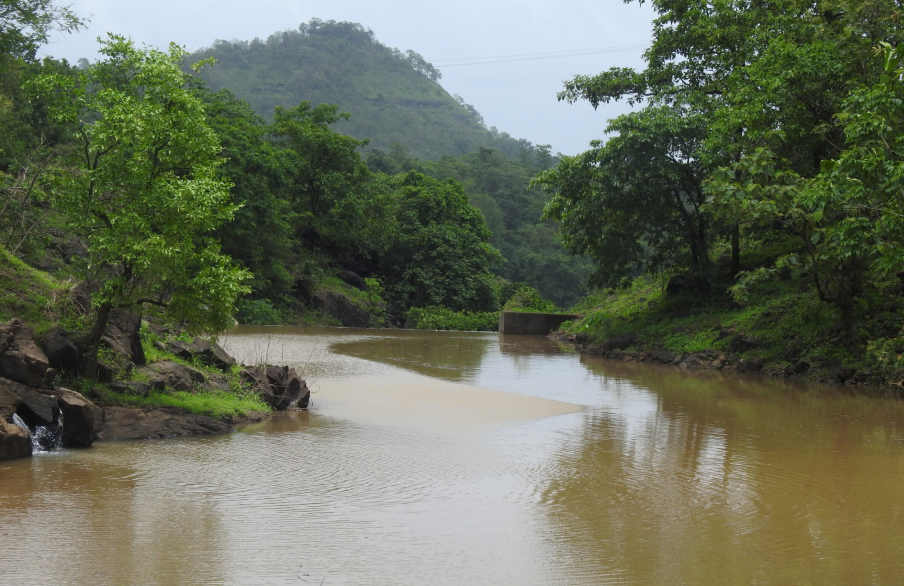
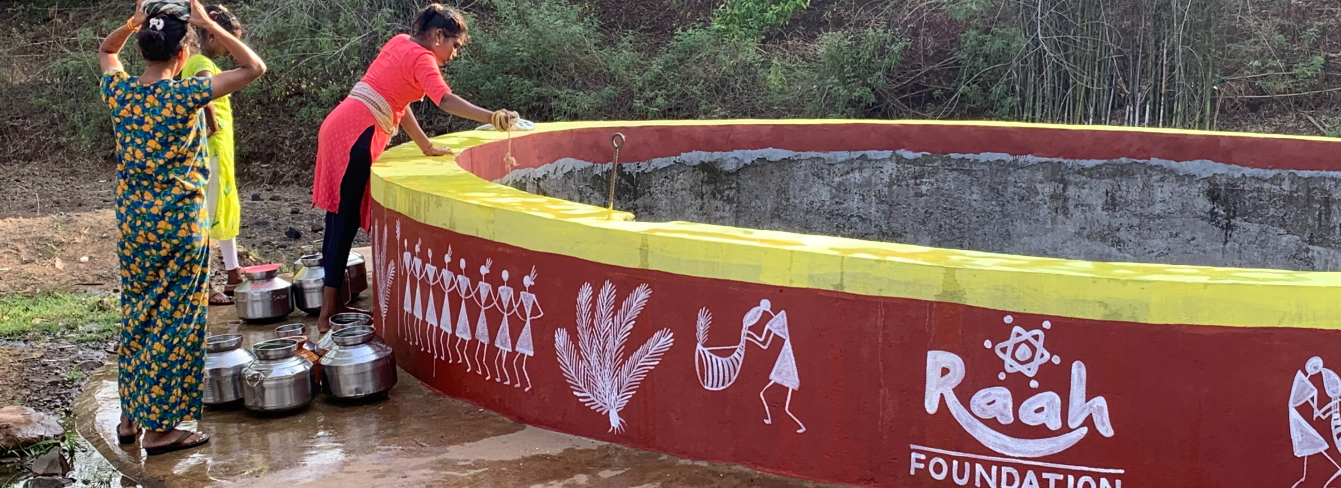
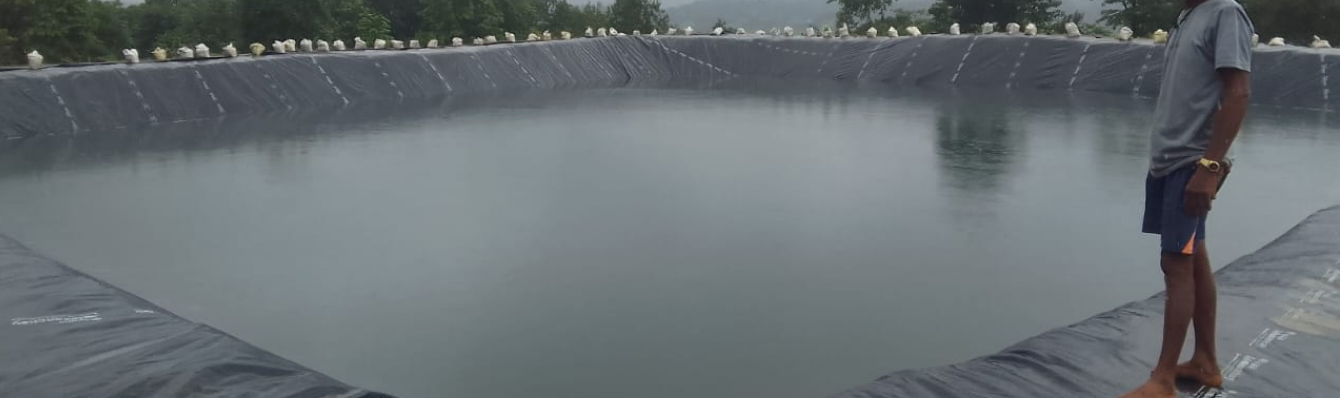
On the ground, this becomes a practical set of structures chosen for terrain and need: check dams and nallah treatments, recharge structures for dug wells and borewells, farm and cattle ponds, percolation ponds, contour trenching, recharge pits, and soil-and-moisture conservation works. These are paired with drinking-water strengthening measures where required, so villages reduce their exposure to emergency arrangements during peak summer. The emphasis is not a single asset, but a connected network of small, distributed solutions that collectively improve water availability for households, livestock, sanitation, and agriculture.
A defining feature of the Palghar approach is community governance and long-term upkeep, not just construction. Village water committees are supported to manage shared assets, promote judicious use, and keep sources clean through WASH practices, while also learning how to converge with government schemes for maintenance and expansion.